
Budget 2026 falls short when it comes to supporting allied health professionals and addressing growing pressures in the healthcare system.
The plan is a mix of previously announced initiatives repackaged as new, alongside measures that sound promising but lack the detail needed to make a meaningful impact. Despite repeated promises of change from this government, the Minister of Health has yet to implement a strategy to recruit, train, and retain frontline healthcare professionals.
“Budget 2026 made it clear that government isn’t listening to the paramedics, the respiratory therapists, the MRI technologists, and many other allied health professionals who are still dangerously short-staffed and have been asking for help. Manitoba needs an evidence-based and fully funded workforce plan to retain specialized allied health professionals, and to train and recruit 1,000 more immediately. The patchwork of modest new investments announced in the Budget falls disappointingly short and won’t be enough to address growing wait times for MRIs, CT scans, rural paramedic response, mammograms, and many other vital health care services.”
What Budget 2026 Means for Allied Health
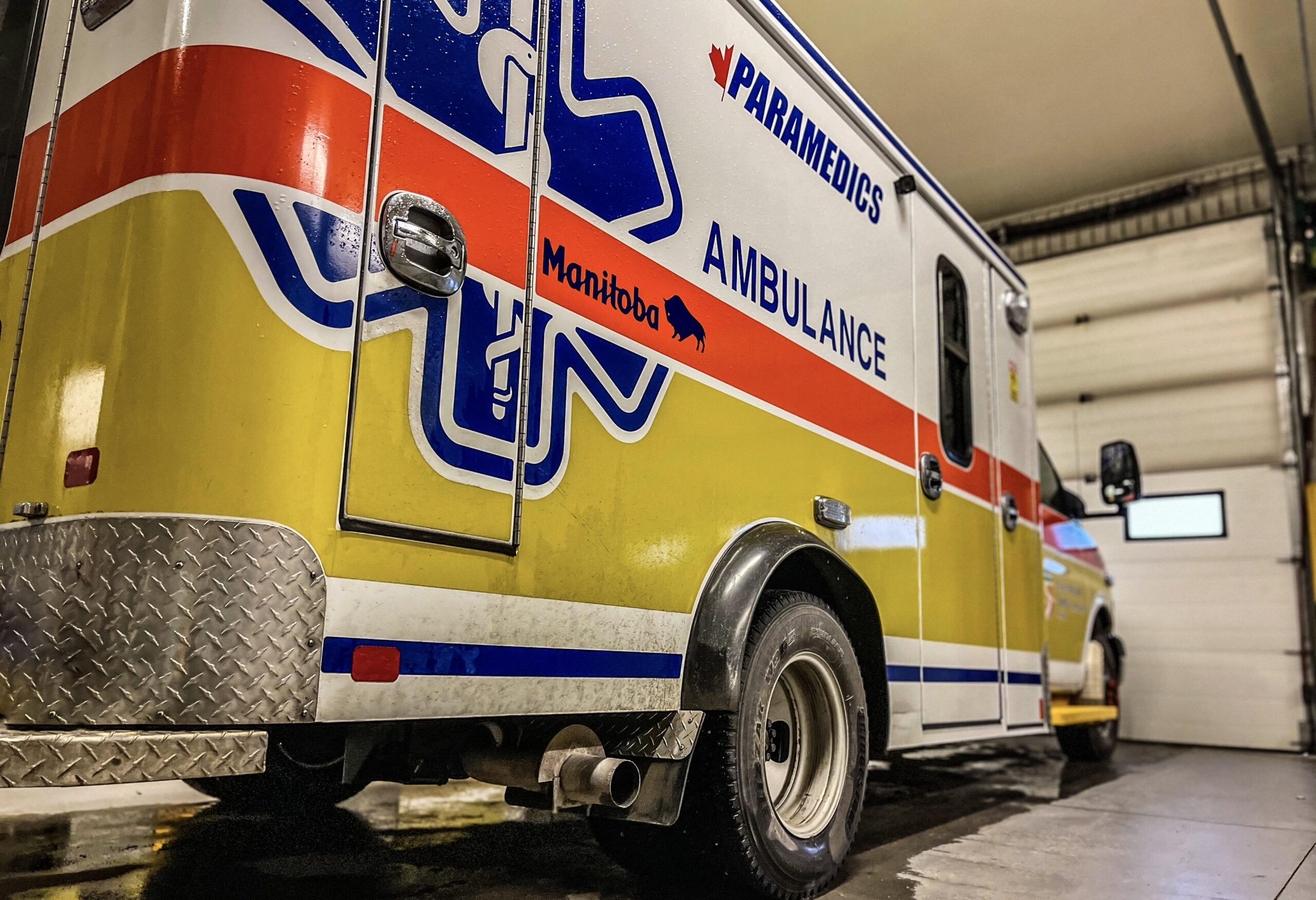
EMERGENCY MEDICAL SERVICES (EMS)
Manitoba has added just 18 net-new rural paramedics since 2023 — far short of the 200 government committed to in their first term.
Advanced Care Paramedics (ACPs) for rural Manitoba.
- Rural ACPs were previously announced and are already in the field. It is unclear if any new rural ACP positions will be added in 2026/27.
- Introducing advanced care into rural EMS is long overdue, however training Primary Care Paramedics (PCPs) to become ACPs will not represent a significant net gain in the system without a plan to replace upskilled PCPs.
Support for Emergency Medical Responder (EMR) training through a $5,000 bursary, already announced last year.
- Government still has no plan to support EMRs to become primary care paramedics (PCPs), as they promised. See our PCP and EMR Comparison Document.
- Manitoba’s approach is inconsistent: by adding ACPs, government is acknowledging that Manitoba needs the same level of paramedic care available outside of the perimeter that already exists in Winnipeg; however, at the same time, they are adding EMRs to rural EMS without a plan to train them up to become paramedics, thereby reducing the level of care available.
Hiring incentive for new paramedic graduates in hard-to-fill stations; $10,000 for two-year Return of Service Agreement (ROSA).
- A $10,000 incentive for new paramedic graduates in hard-to-fill rural stations is unlikely to drive meaningful recruitment. New graduates can earn significantly more through overtime, and they may not be interested in accepting positions in locations that don’t suit their lives or their family’s needs.
- There is still no incentive to retain paramedics working chronically short in rural areas.
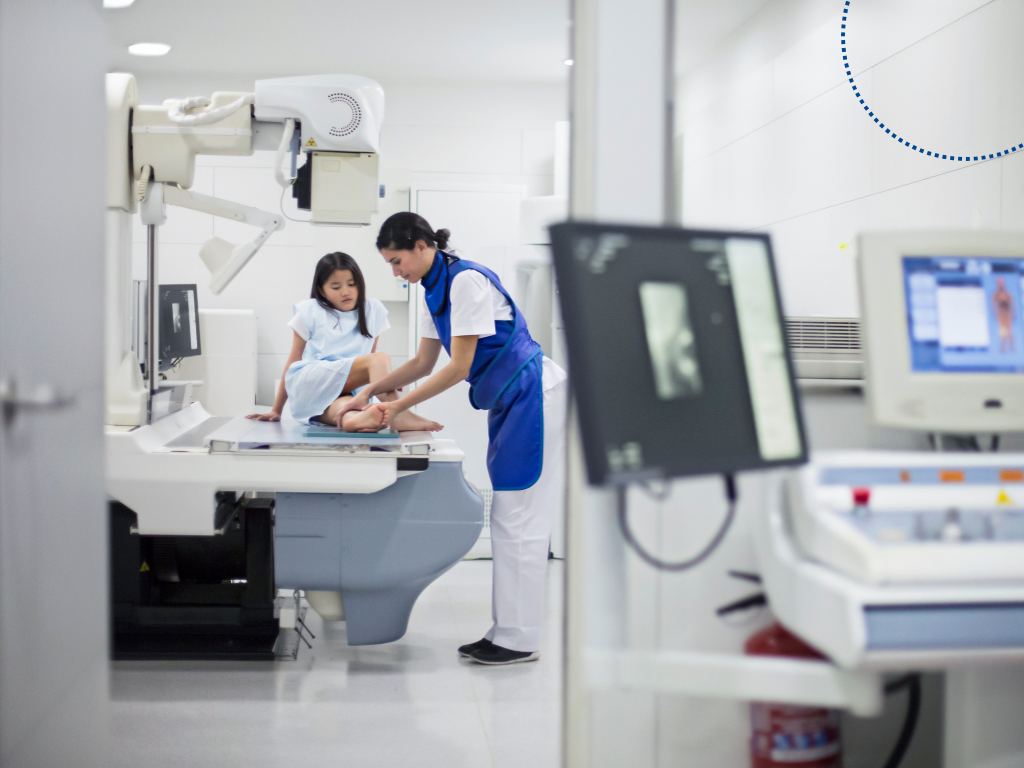
DIAGNOSTICS
Doubling the number of Manitoba students training as combined laboratory and X-ray technologists at Saskatchewan Polytechnic, and an additional investment to increase diagnostic training seats at Assiniboine Community College.
- These training expansions were announced last year. The ACC program represents a long overdue investment, but it will not produce graduates until 2030. In the meantime, Manitoba continues to lose diagnostic professionals, shutting down rural emergency departments and forcing rural patients to travel farther for care.
$1.2 million to support 3,250 additional elective MRI scans.
- While this may appear significant, it represents less than a three per cent increase, against a backlog of more than 20,000 Manitobans waiting for scans. Currently, MRI wait times at Manitoba’s two biggest hospitals are around one year:
- Health Sciences Centre (50 weeks)
- St. Boniface Hospital (54 weeks)
- MRI staffing has been static for years, with significant turnover due to burnout and difficult working conditions. There is no plan to recruit or retain the MRI Technologists needed to sustain the proposed increase in scans. Based on our experience, we suspect Shared Health will not use this funding to hire additional MRI technologists, but rather will require the same number of technologists to do more with less.
- The new 28-month direct-entry MRI program at RRC Polytech announced last year will not produce graduates until 2029 and does not include any measures to keep them in Manitoba. The existing 9-month MRI program has been underfilled for years.
A restatement of the commitment to lower the age for breast cancer screening to 40 by the end of 2026.
- Government repeated the claim made in December that they have hired seven new mammography technologists, but this may not be sufficient to lower the screening eligibility age to 40 by the end of 2026 as planned, without significantly increasing wait times for screening.
- Budget 2026 does not include a stated commitment for new funding to train and recruit additional mammography technologist positions.
- Further, there is still no broader strategy to train and retain medical radiation technologists (MRTs), who are essential across multiple diagnostic and treatment areas, including mammography.
$22.1 million for new “Heart Care Manitoba” centre of excellence for cardiac care at St. Boniface.
- This initiative includes a centralized cardiac care clinic open seven days a week, a new “cardiac zone” adjacent to the ER, and a cardiologist in the ER.
- The budget does not include a stated commitment to new allied health positions to support Heart Care Manitoba, nor does it address retention and recruitment issues in key professions like cardiology technologists and respiratory therapists, where vacancy rates remain high.
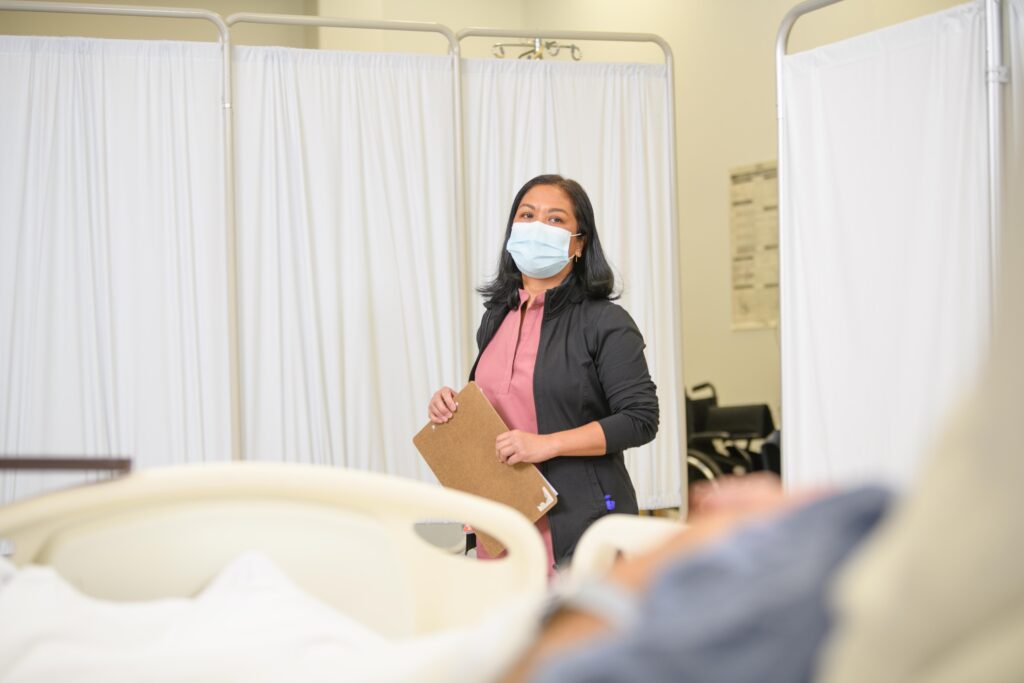
EMERGENCY DEPARTMENTS
NEW: 24/7 Social Work in ERs and Urgent Care.
- This is one area of the budget that directly addresses concerns from the frontline.
- MAHCP would like to see this progress replicated across other critical professions working in emergency departments (EDs). For example, respiratory therapists (RTs) in EDs and intensive care units are critically short-staffed. Winnipeg’s three major hospitals need 50 more RTs to fill vacancies, yet we have yet to see a targeted plan to recruit or retain them. Only 12 University of Manitoba RT graduates are expected this spring for the entire province.
Specialized allied health professionals are short-staffed every day, trying to do more with less. The ongoing staffing crisis contributes to long wait times for emergency care, diagnostic testing, mental health and addictions treatment, and many more vital services that Manitobans count on. Budget 2026 will not fix this crisis.
Addressing these challenges requires targeted, sustained investment in the allied health workforce.
- Retention first. Many workplaces are operating with significant vacancy rates, limiting the system’s ability to expand services or reduce wait times. Allied health professionals are dealing with unacceptable levels of overtime, exhaustion, and burnout, and they’re counting on this government to end mandating for all healthcare professionals, not just for nurses.
- Manitoba must expand training capacity in critical areas, remove financial barriers to education, and ensure graduates remain in Manitoba through return-of-service agreements or other incentives.
Above all, Manitoba needs a comprehensive Allied Health Workforce Plan. Without it, investments will continue to be fragmented. Until that plan is in place and backed by meaningful action, Manitobans will feel the impact of a healthcare system under strain.