

Respiratory therapists (RTs) are highly trained specialists who keep patients breathing when they can’t breathe on their own. With peak respiratory season already unfolding, RTs at Manitoba’s acute care sites are sounding the alarm about dangerously low staffing levels.
In critical care, RTs assist with insertion of breathing tubes, initiate ventilators, manage airways during resuscitation, and respond to every Code Blue in the hospital. Despite their vital role on the care team, RTs are often invisible to patients.
“We’re key members of a multi-disciplinary team working with physicians and nurses, and we’re keeping patients alive long enough for treatment to work. But because our patients are usually sedated or unconscious, and in the most critical situations, they often don’t remember us.”
RTs working at acute care centres rotate through the hospital’s highest acuity environments: the medical intensive care units (ICU), surgical intensive care units (SICU), emergency department (ED), and neonatal ICU (NICU). In addition to covering these units, two RTs must attend every Code Blue to help restore breathing, stabilize patients, and prevent or treat cardiac arrest.
In Manitoba hospitals, a Code Blue signals a critical medical emergency, typically cardiac or respiratory arrest, or another life-threatening event requiring immediate resuscitation by a specialized team (Code Blue Team) trained in Advanced Cardiovascular Life Support (ACLS).
This constant movement – rushing from ICU to ED to Code Blue events throughout the hospital – means even one vacancy can leave multiple areas vulnerable.
“There’s a reason two RTs attend every Code Blue. It’s based on best practice. But when we don’t have enough staff, you’re forced to leave a borderline unstable patient to run to a code. It’s tough… You just hope that patient is still okay when you get back.”
At St. Boniface and Grace Hospital – two of Winnipeg’s three acute care centres – RT vacancy rates have surged past 30%, leaving units dangerously short-staffed. St. B’s baseline is 10 RTs on day shifts and eight at night, but the facility rarely meets those numbers.
“If you’re constantly working short-staffed, you’re running throughout your entire shift. It’s essential to have proper rest and time away from work to recover and recharge.”
As an example of how unpredictable and intense a shift can be, a member described a recent morning when the RT team responded to five Code Blues within ~90 minutes.
RTs are leaving faster than they can be hired or trained.
For years, Manitoba had just 16 RT training seats. In 2022, the provincial government increased that number to 20 and later doubled the capacity to 40 seats.
While the expanded program officially launched in fall 2024, respiratory therapy is a three-year program, meaning the impact of those additional seats will not have an impact on the workforce for several years. In the meantime, there are still not enough new RTs entering the system, and many are choosing part-time roles to maintain a better work-life balance.
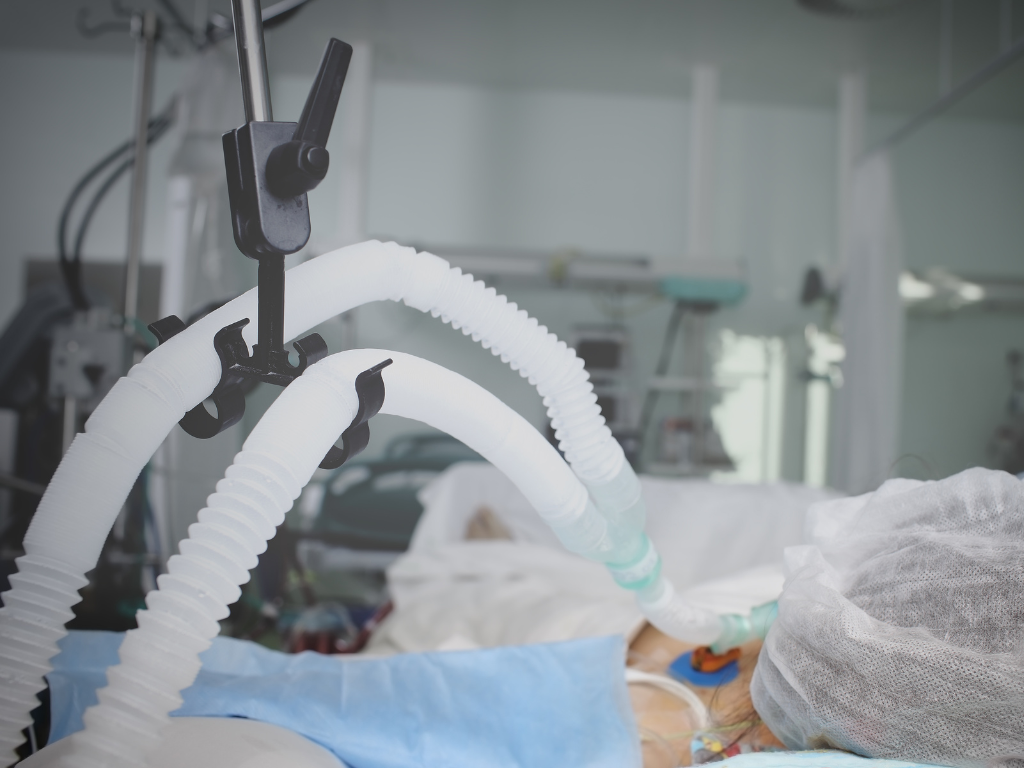
In 2025, Winnipeg Regional Health Authority (WRHA) RTs logged more than 16,000 hours of overtime (OT). Shared Health RTs (including Advanced Practice Respiratory Therapists) logged more than 26,000 hours of OT during the same period.
The Reality of Respiratory Season
The RT staffing shortage threatens to overwhelm the system when demand is peaking. Cold and flu season is already the busiest time of year for RTs – and this year’s flu strain is expected to be particularly severe. The circulating variant is highly respiratory, and early indicators show the vaccine may be less effective than predicted.
Many patients with severe flu or respiratory viruses require ventilators to breathe while their bodies fight the infection. RTs insert the breathing tube, program the ventilator, monitor oxygen levels, adjust settings, and oversee the long, delicate process of weaning patients off support.
So, what happens when multiple people need life-saving breathing support and there aren’t enough RTs to go around?
“It’s a situation no healthcare professional wants to be in.”
According to reports from members, St. B’s December and January schedule block has 144 vacant RT shifts, averaging 3.5 vacant shifts per day.
With respiratory season looming, Manitoba must act to ensure RTs can provide life-saving care.
RT shortages during peak respiratory season could lead to:
- Delays in intubation
- Delayed or cancelled patient transports
- Fewer RTs available to respond to emergencies
- Longer wait times for ventilator support
- Increased pressure on ICU and ED teams
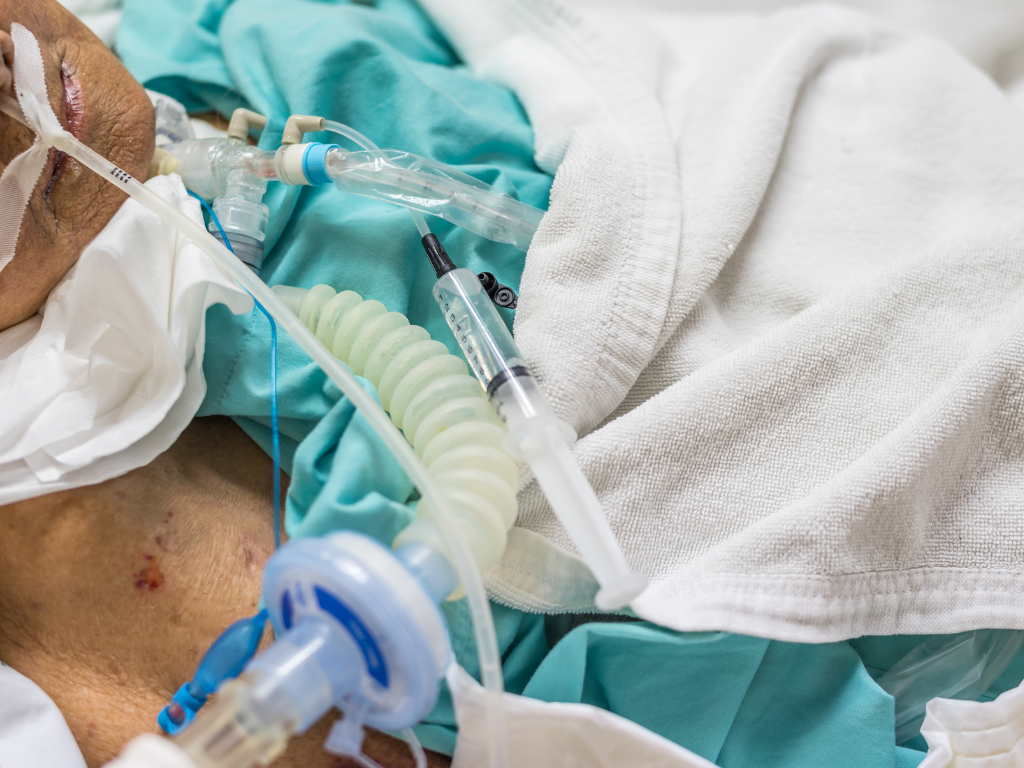
MAHCP is calling for:
- $5.25/hour full-time salary enhancement for RTs who are currently full-time, as well as part-time RTs who pick up to full-time.
- $3/hour ICU/Emergency Department/Urgent Care premium to apply to respiratory therapists and other allied health professionals working in high-demand, high-acuity areas.
- Equal pay for RTs picking up shifts at sites other than their own – an issue the Employer can fix immediately.
- Night shifts to be offered at overtime rates to encourage coverage during the hardest-to-fill period.
- Creating and promoting financial incentives, such as scholarships/bursaries with Return of Service Agreements (ROSA), to encourage enrolment and a commitment to practice in the profession.
Respiratory therapists are asking for the bare minimum: enough staff to keep patients safe without facing impossible choices or unmanageable workloads.
Changes like these could reduce overtime costs and stabilize the workforce. Hospitals, government, and health leaders all have a role to play. It’s time to support the people who keep our province breathing.