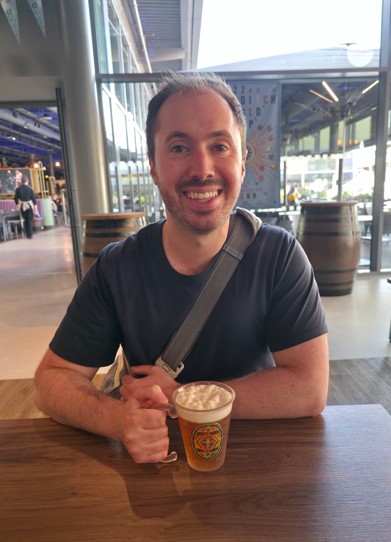
Advanced Practice Respiratory Therapist (APRT) Brian Stern says he’s known since he was five years old that he wanted to work in health care.
“I was drawn to the idea of working in a job with direct impact on people and in a non-profit environment. I’ve been working in Patient Transport for 8.5 years – and more than 11.5 years in health care altogether – and although it is difficult, the hours are long, and the shifts are tough, this is the most rewarding thing I have ever done.”
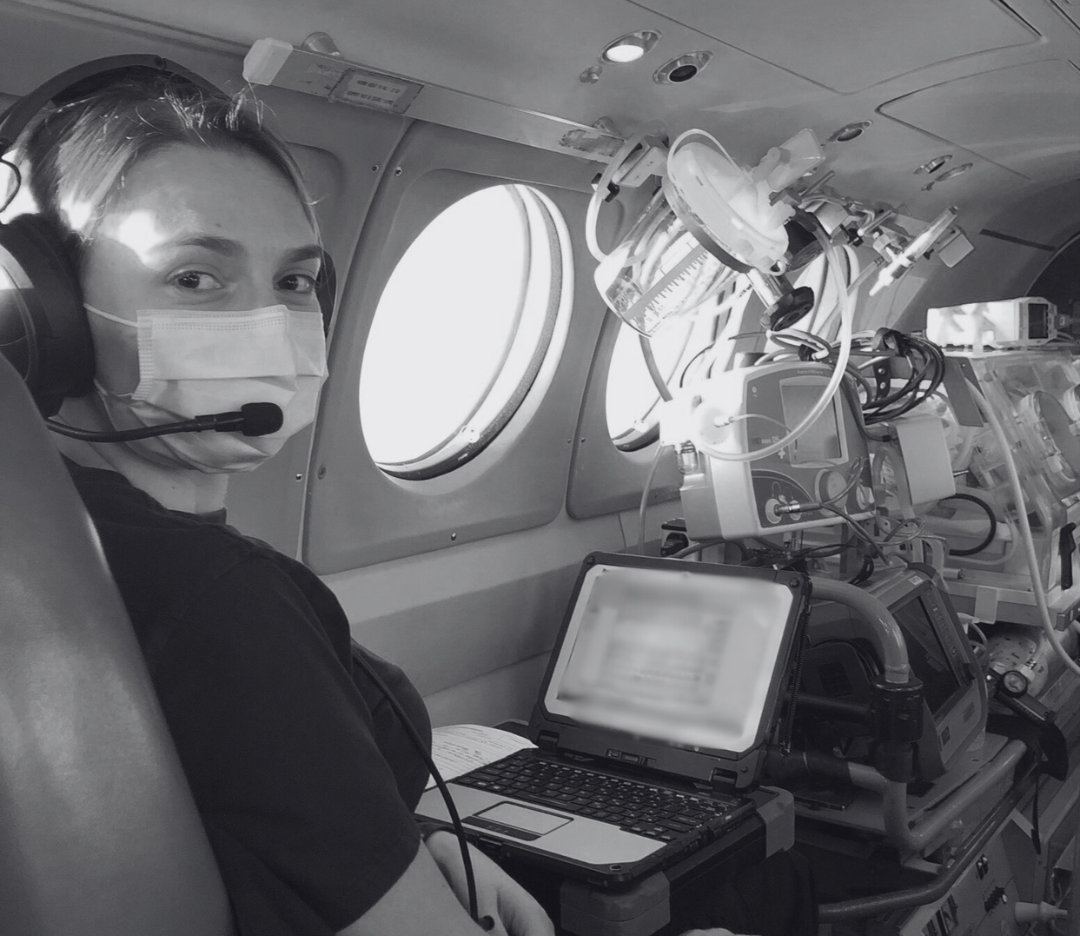
APRTs transport critical/ICU patients between hospitals, ensuring patients receive the critical care they need while enroute between hospitals, and sometimes to other cities. The team also provides support to urgent care when patients are too ill for them to manage.
“We act as a mobile ICU. We transport within the city of Winnipeg and to surrounding places, such as Brandon, Selkirk, and Steinbach. We also fly patients across Canada.”
Brian’s team starts their day at their main office at Health Sciences Centre in Winnipeg. From there, they’re deployed with EMS to various hospitals across Winnipeg to transport patients and provide all the medical care those patients require during transport.
That can involve anything from running a ventilator and multiple critical IV infusions, to cardiac monitoring, intubating, pacing, cardioverting, placing IV and IOs, needle decompression, defibrillating, Cricothyrotomy — all while in the back of an EMS truck.
“If I could encourage healthcare employers to consider anything, it would be to increase the number of beds available on wards to support patient flow. This would lead to shorter wait times in the emergency department. I also recommend that they really begin dealing with the critical staffing shortage in our profession and implementing solutions, as we are very overworked and this isn’t good for patient care.”
Brian has a four-year Respiratory Therapy bachelor’s degree from the University of Manitoba, and he took two years of extra electives to round out his knowledge of science, psychology, and sociology.
He says he stays motivated knowing that he is someone hospital teams can trust to provide critical patient care.
“I enjoy spending the summers at Clear Lake with my wife, going to the gym, and keeping up with world news. I’m also a big Star Trek fan, so for me, watching those shows is the best way to decompress.”