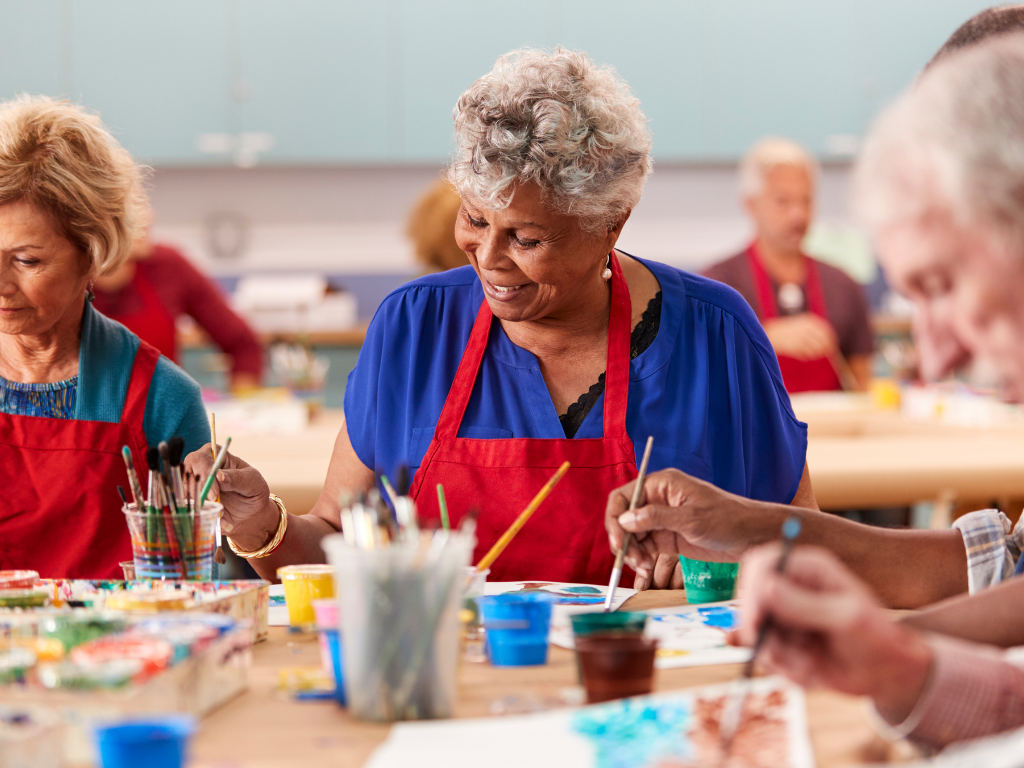
Therapeutic recreation uses leisure, recreation, and play as purposeful tools to help individuals achieve the highest possible level of independence and quality of life. Hospital stays and rehabilitation can be stressful, isolating, and disruptive to daily life. Therapeutic recreation helps restore a sense of normalcy and autonomy by giving patients a choice in how they spend their time.
Recreation therapists work across healthcare settings to enhance quality of life and improve or maintain health, while preventing decline. Whether it’s participating in creative activities, social interaction, movement, or leisure pursuits, therapeutic recreation plays a vital role in improving quality of life and supporting holistic healing.
Learn more about therapeutic recreation in this Q+A with Dale Didyk, Recreation Coordinator at Concordia Hospital.
How long have you worked in your current role, and in health care overall?
I’ve been a Recreation Coordinator at Concordia Hospital for just over a year. Before that, I worked as a non-clinical support worker for 15 years at the Manitoba Developmental Centre in Portage la Prairie.
Can you describe your role and the impact it has on patients or the healthcare system?
I provide meaningful and purposeful activities that help patients maintain and improve their quality of life during recovery. Therapeutic recreation focuses on all aspects of a person’s wellbeing: physical, cognitive, social, emotional, and spiritual.
Often, people don’t choose to be in a hospital or require medical care. Therapeutic recreation helps give them autonomy over how they spend their time while they’re there, which can be incredibly empowering.
What does a “typical” workday look like for you?
A typical day doesn’t exist for me! Every patient and every situation is truly one of a kind.
What’s something people might not know about the work you do?
People often don’t recognize the value of recreation and leisure during times when patients may need it most.
“Healing in the hospital can be a lot of work. Seeing people relax when they see me – because they know we’re going to talk about or do something they enjoy – really confirms I’m where I’m meant to be.”
What inspired you to pursue a career in health care?
My mom was a psychiatric nurse and hearing how she impacted others really inspired me. In my own life, if I sit around too long, I get restless. I want to help people who struggle with the same thing.
What is your educational background?
I have a Bachelor of Recreation and Community Development. My fieldwork placement was at Misericordia Health Centre, where I learned so much about therapeutic recreation. The positive experience I had there made me want to continue in therapeutic recreation after graduating.
Can you share a moment that confirmed you made the right career choice?
Healing in the hospital can be a lot of work. Seeing people relax when they see me – because they know we’re going to talk about or do something they enjoy – really confirms I’m where I’m meant to be.
What do you enjoy most about your job? What keeps you motivated?
Seeing the joy on people’s faces when they’re doing things they want to do. That’s what keeps me motivated.
What are the most challenging aspects of your work, and how do you manage them?
Recreation is often undervalued in hospital settings. Sometimes people think therapeutic recreation staff are just there to ‘distract’ patients. Awareness initiatives, like Therapeutic Recreation Month, help dispel those myths and highlight the real impact of our work.
What do you do for fun outside of work?
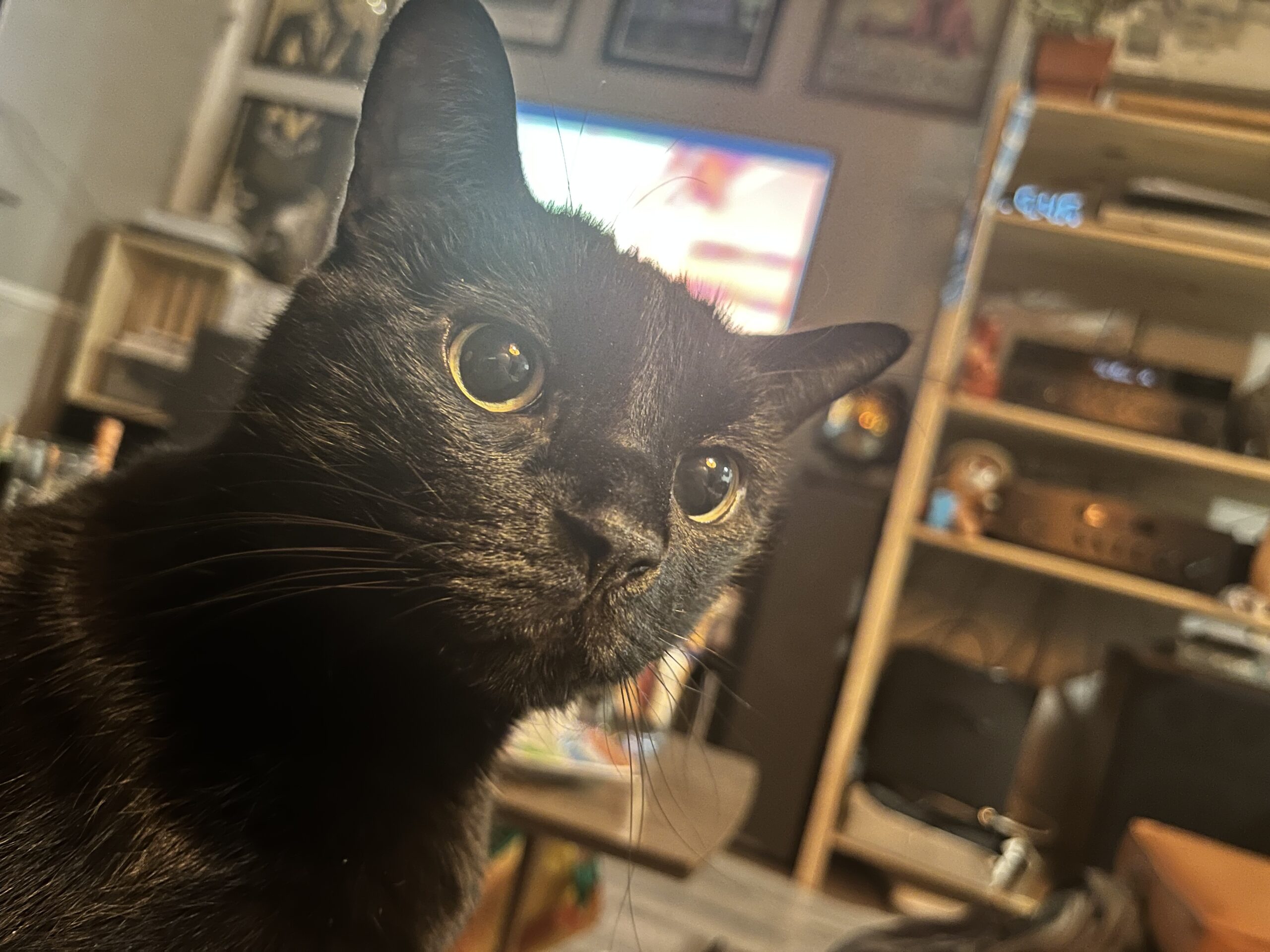
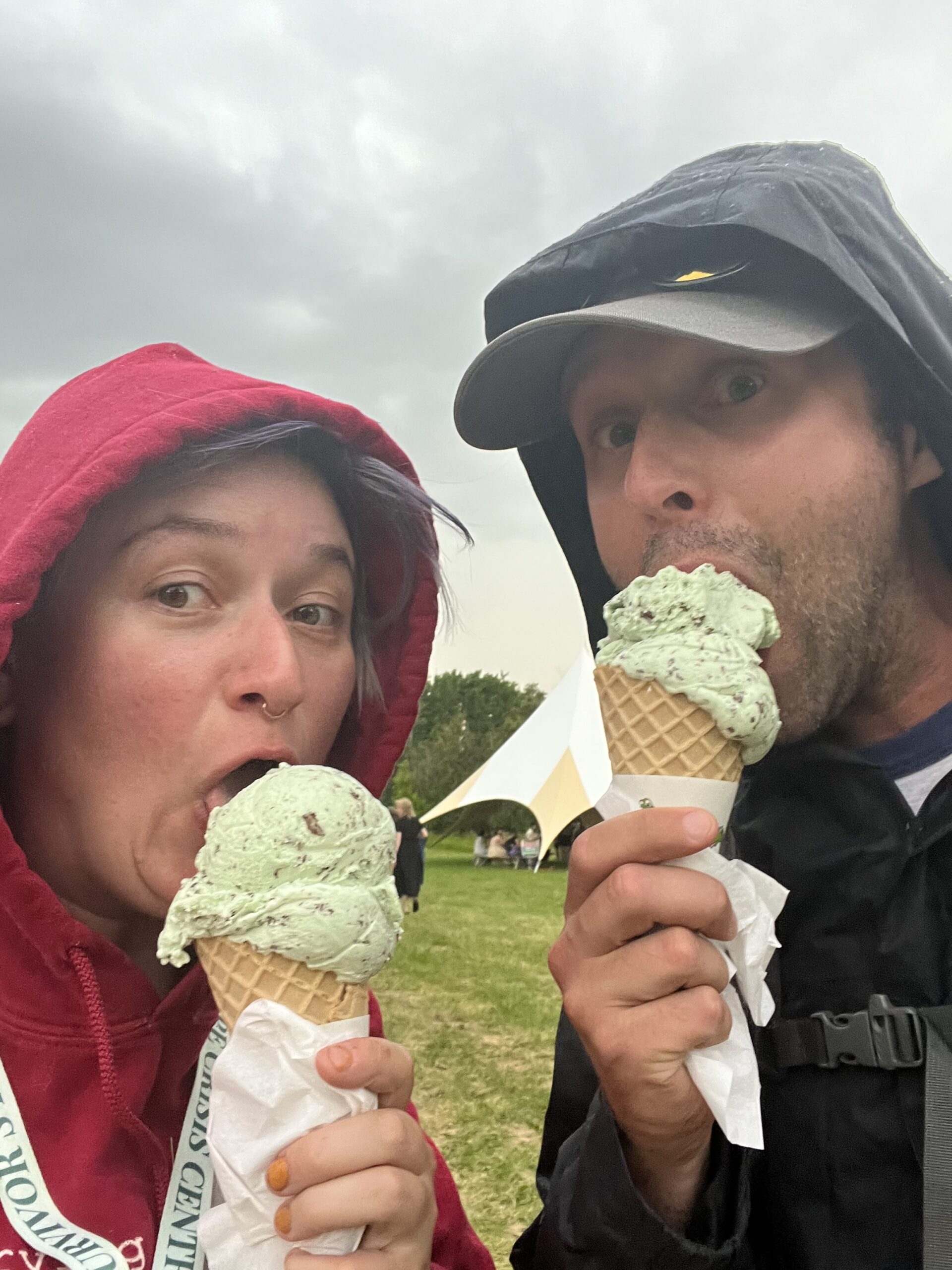
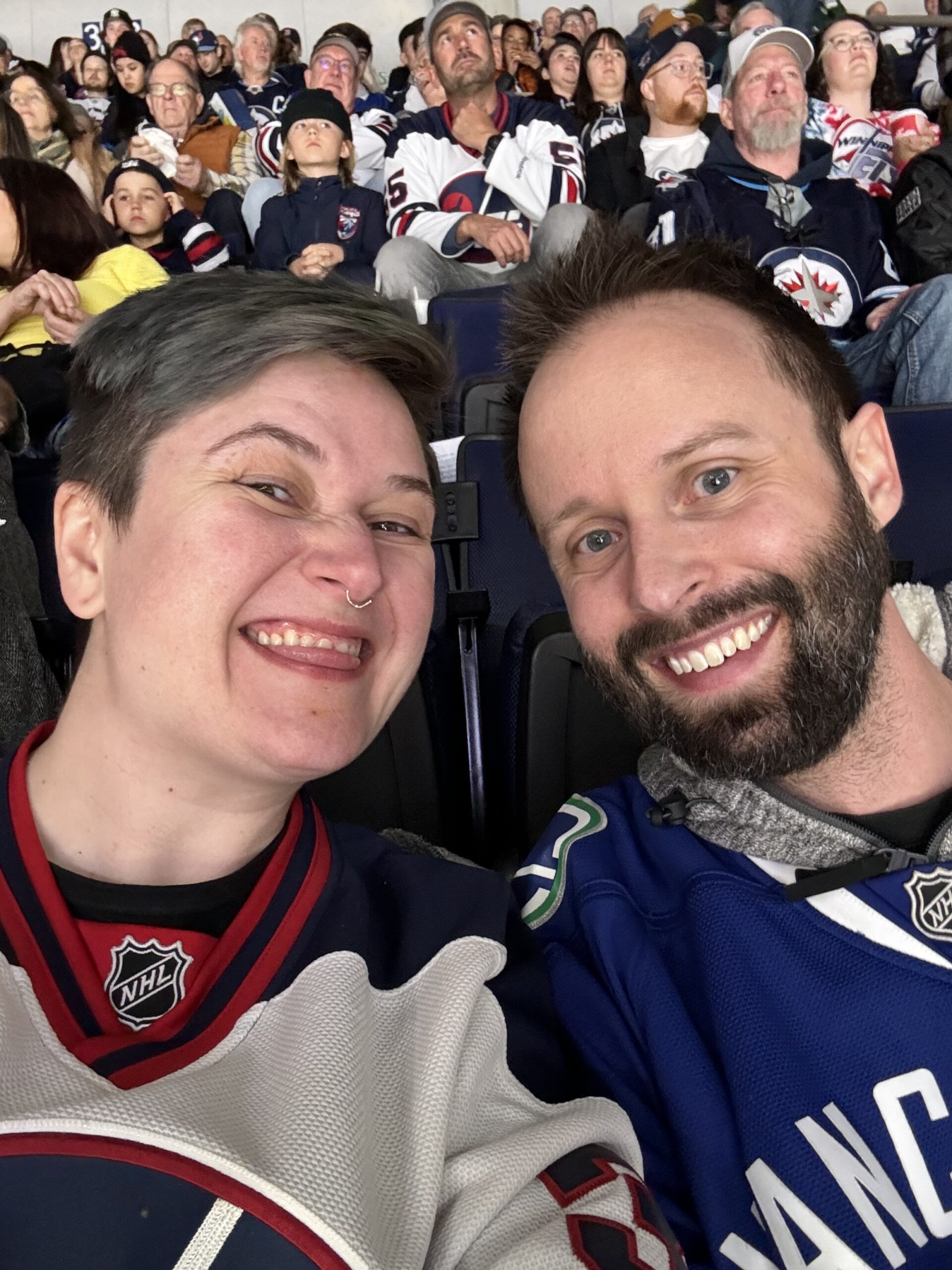
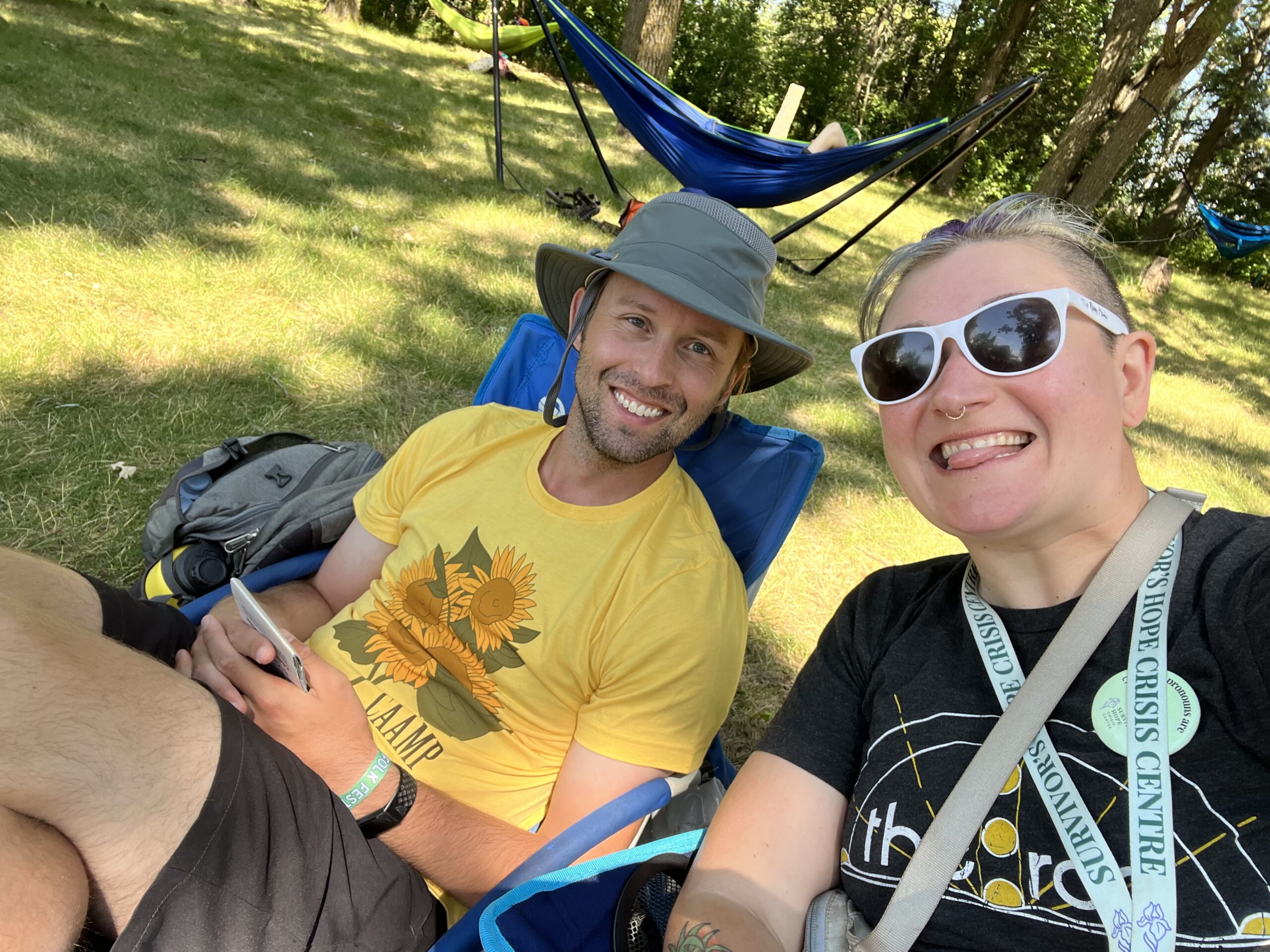
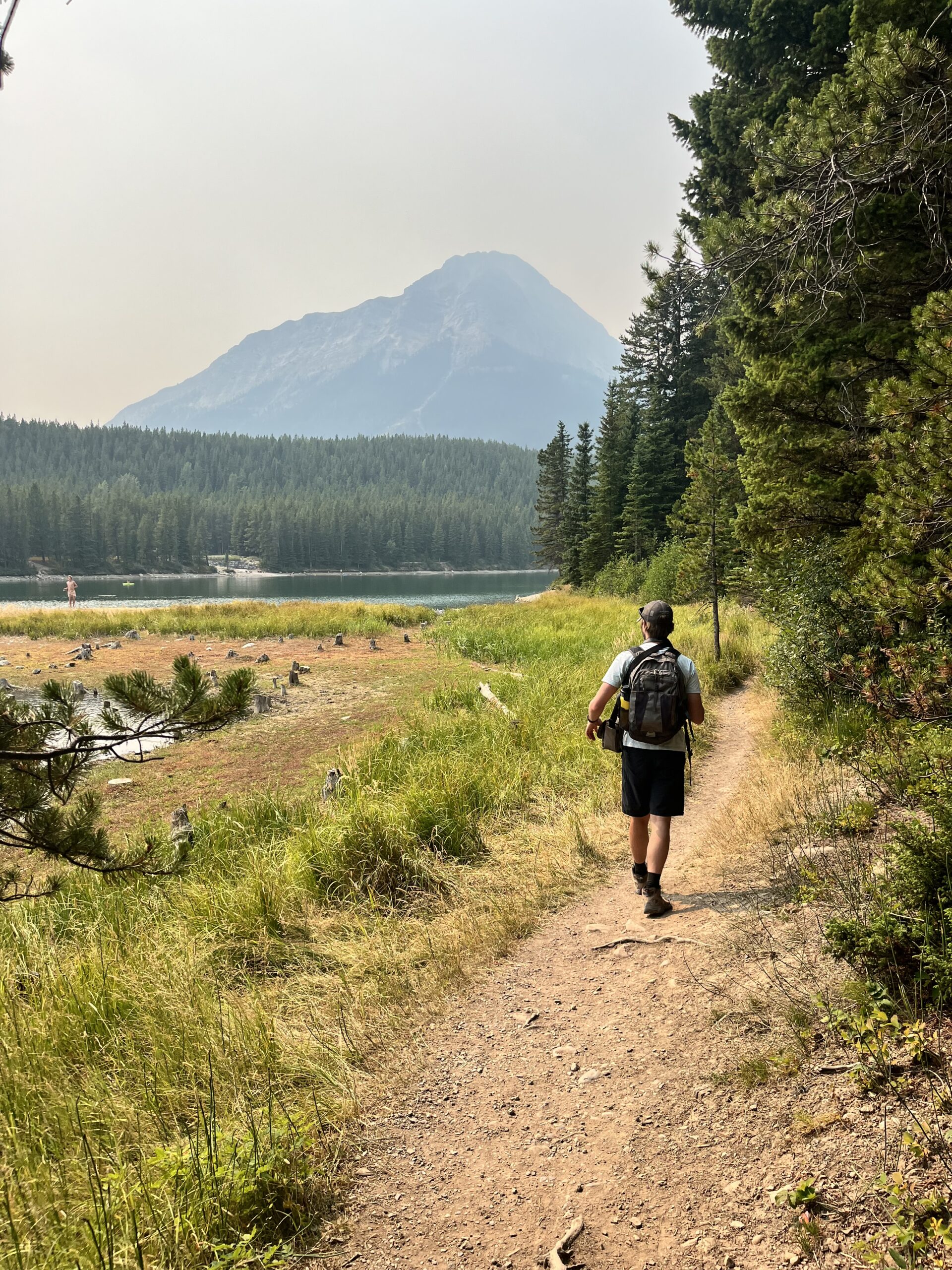
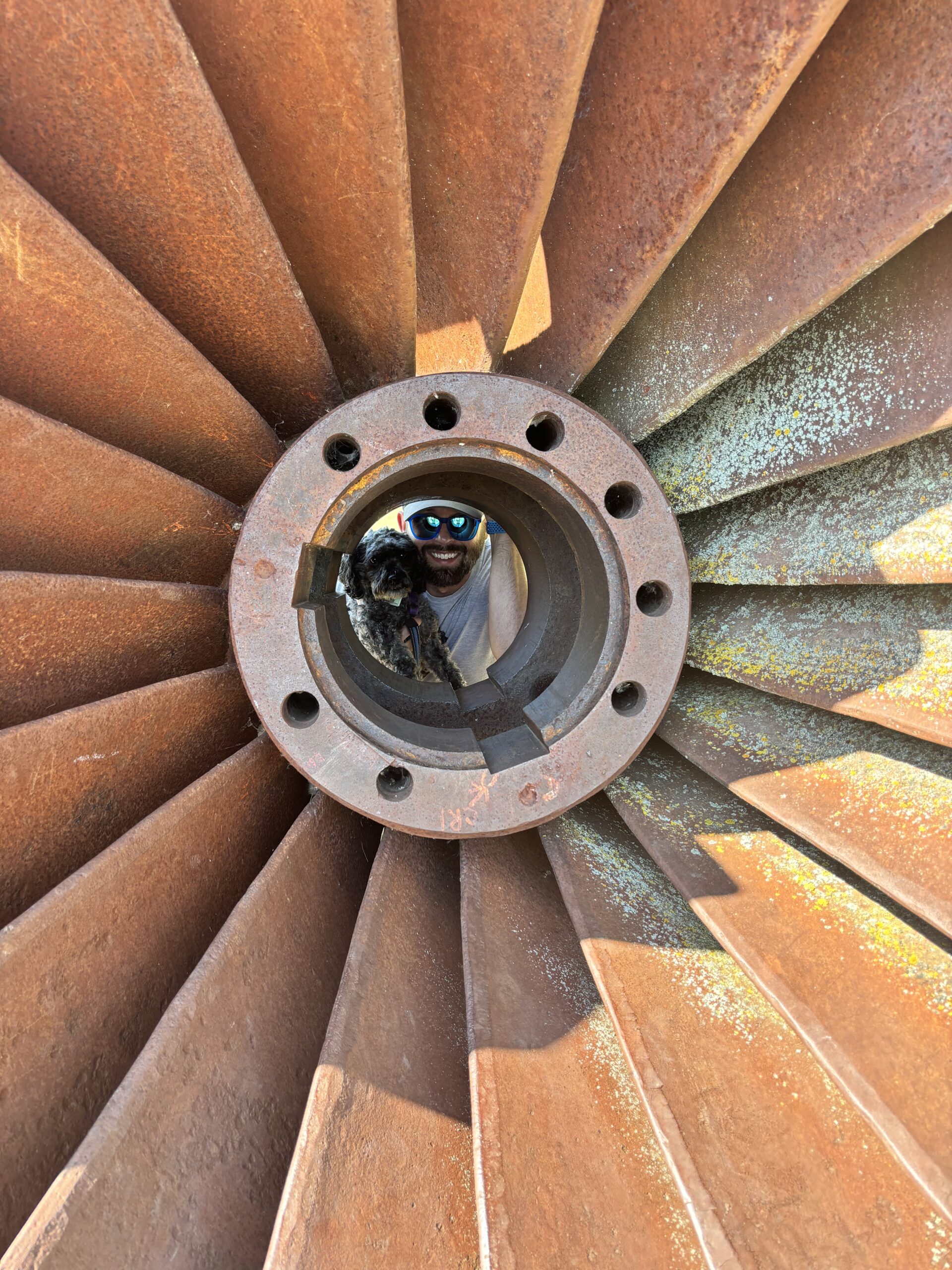
I love spending time outdoors running, camping, and hiking. I also enjoy cozy time at home with my partner, LP, and our two animals, Banjo and Edward Scissorpaws. I like going to movies and concerts, and I play Stardew Valley.
If you could change one thing about the healthcare system, what would it be and why?
Universal electronic charting. It would reduce siloing between disciplines and hospitals and help improve patient flow across the system.