
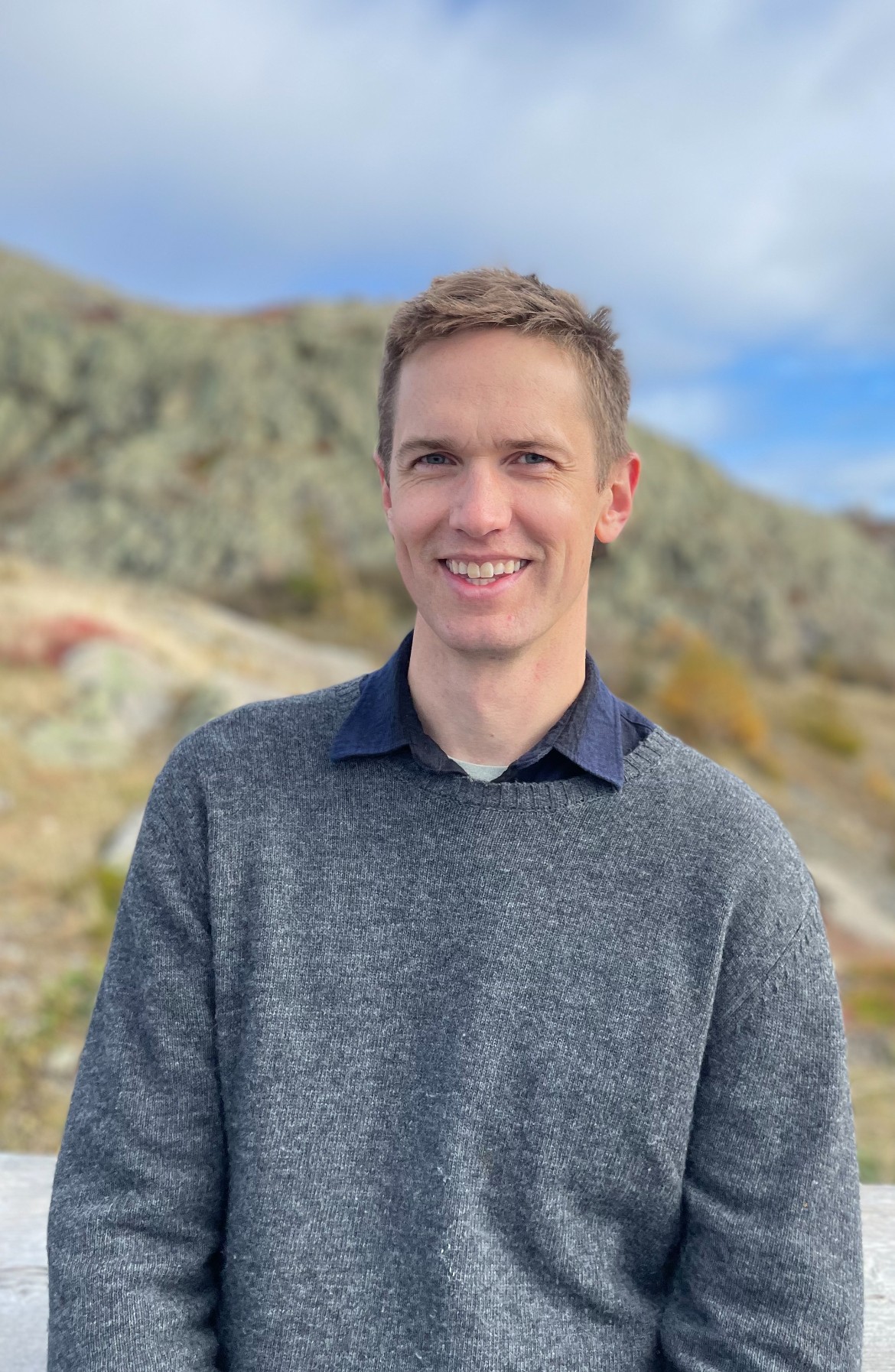
Having a conversation with Ian Scott (MSW and RSW) about his role with CancerCare Manitoba’s psychosocial oncology department is inspiring yet calming. He is an insightful and thoughtful speaker, and you can imagine how a therapy session or support group with him could make a meaningful difference in the life of someone living with cancer.
CancerCare Manitoba’s psychosocial oncology (PSO) team is made up of 14 multi-disciplinary MAHCP members with backgrounds in clinical counselling, social work, marriage and family therapy, child life, psychiatric nursing, expressive arts therapy, and creative arts therapy.
“I’ve been with CancerCare for 10 years, and I was drawn to working in oncology for a number of reasons. Like most Manitobans, I have a personal connection to cancer, which motivated me to work in this area,” says Ian. “Being a part of this team is incredible, as we have such a wide array of expertise, and we can really lean on each other. Our team’s contributions in the oncology field are instrumental and indispensable.”
As one might imagine, in addition to treatment appointments, blood work, or clinic follow-ups, there are many emotional, social, and relational components to dealing with cancer.
“Our team exists to help patients and their loved ones cope with the emotional, social, and practical impact of cancer. Counsellors do this primarily through individual or couples’ therapy in a variety of modalities. On average, the 14 psychosocial oncology clinicians can perform anywhere from four to six one-hour counselling sessions each day.”
People with cancer are not required to accept or participate in counselling, but those who do find it to be an essential part of learning to cope with all the changes to their lives that cancer can bring.
“When someone is dealing with cancer, everything in their life can be impacted.”
“In addition to counselling, our team can help with issues around housing, work, financial benefit programs, transportation, health inequities, and, of course, navigating our very complex healthcare system. We are the hub for all types of issues within CancerCare. We have a wide array of abilities and resources, so we pull out different strategies and approaches based on what’s presented to us.”
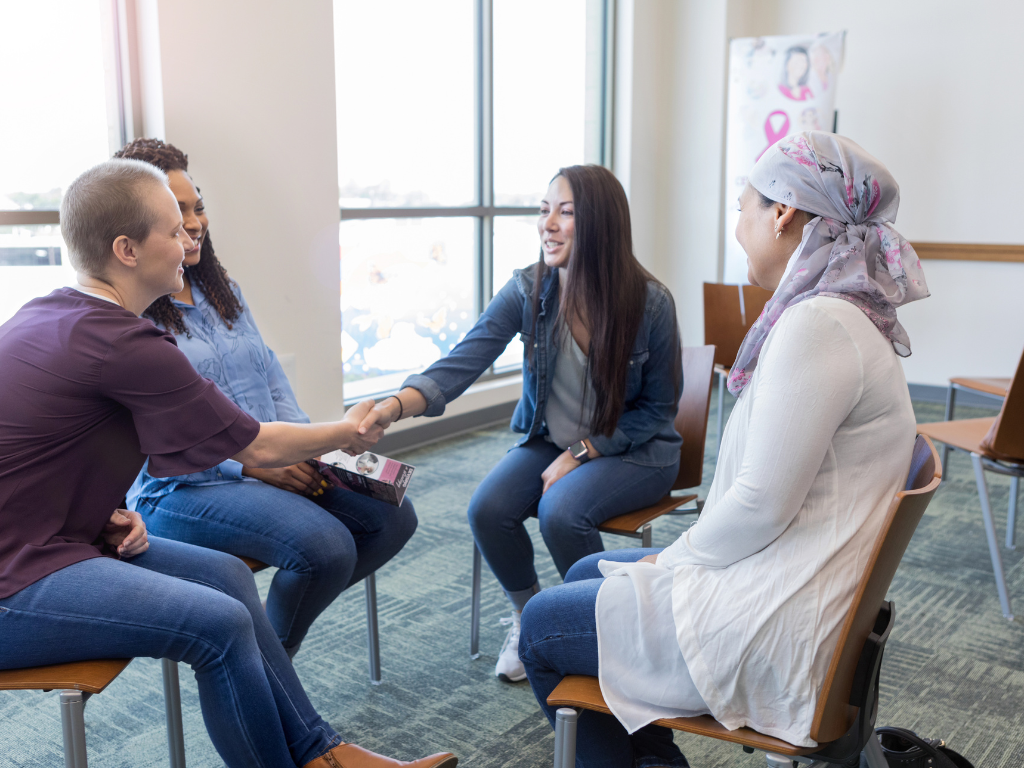
The team delivers support in many forms, from education events to support groups. There are groups for expressive arts, cognitive behaviour therapy and mindfulness, coping with cancer, fear of cancer recurrence, bereavement, caregiver support, as well as several support groups for those living with specific types of cancer, such as breast or lung cancer. Ian runs a group for young adults living with cancer.
Ian says it’s important for those working in any helping profession to acknowledge the potential impact their role can have on their own mental health.
“There can be a knee-jerk reaction to downplay the mental toll of this work, to say something to the effect of: ‘It’s an honour to do this work and I got into this profession because I like to work with people.’ And of course, all of that is true. It is an honour to walk with people through this difficult stage of their life. It’s incredibly humbling to be in a counselling session and have someone who you’ve just met open up more broadly and more deeply than they might with their closest loved ones. But at the same time, I think there is an often unseen cumulative effect of hearing so many challenging stories.”
Ian says the team’s clinical service lead, Cheryl Dizon-Reynante (M.Ed, CCC), also a MAHCP member, is excellent at leading their team, and ensures there are plenty of opportunities for discussion in rounds, both small group and large group, and debriefing sessions.
“It’s very common for our team members to seek each other out, knock on each other’s doors, and ask for quick consults. Some of that is for practical care planning purposes, but sometimes it’s to discuss a difficult conversation that we might have just finished with a patient. Self-care strategies are so important with this work, and it’s essential to leave work at work. It can certainly burn you out quickly if you’re thinking or ruminating on issues all night long. Thankfully, we don’t have to do this work in a silo.”
When it comes to oncology-specific knowledge, Ian says that a lot of that learning happens at work.
“We learn a lot from each other and from being part of the wider multidisciplinary teams at CancerCare Manitoba. There may be some oncology electives in different counselling programs out there, but to be honest, learning about the ins and outs of cancer happens mostly on the job.”
Ian says that one of the most significant things Manitobans should know about living with cancer is that challenges often increase after treatment ends, particularly from a psychological and social perspective.
“People have to face and figure out all the changes that cancer forced upon their life, and where to go from there. Post-treatment challenges often catch people off guard. Treatment ends, and patients may feel relief that it’s over, then two to three months go by, and they’re saying: ‘wow, this is way harder than I thought. I’m really scared of cancer coming back. I have to deal with the anxiety of regular scans. I’m still dealing with side effects, like brain fog and fatigue. I’m struggling with my mental wellness.’ Plus, of course, sometimes people return for more counselling from psychosocial oncology because they have had a recurrence.
PSOs are flexible and provide person-centred care, which is a central value to the work they do.
“We know from feedback from the public and through surveys that people living with cancer and their loved ones want even more emotional and counselling support. Even though the PSO department exists, there is a demand and a need for more of us. We have heavy caseloads, and we only see a fraction of the people who get cancer in this province. The need for the type of support we can provide is only on the rise.”
Quick Facts About Ian
Career path:
- Psychosocial Oncology Clinician at CancerCare Manitoba (CCMB) since February 2016
- Program Services Coordinator with Palliative Manitoba (2014 to 2016)
- Program development;
- Children and teen grief support groups;
- Bereavement counselling.
- Youth Health Educator with Klinic Community Health Centre (2009 to 2012)
When he’s not at work:
- Ian can often be seen jogging home from work down Maryland and Harrow to get the endorphins going. “Running past rush hour and making it over the Maryland bridge faster than anybody else is invigorating. It is a healthier and more literal version of ‘running away from the things I encounter at work.’” He’s also into cross-country skiing, beer league hockey, and softball.
- Ian has two kids, ages nine and six: “I spend a lot of time doing fun stuff with them, including reading and backcountry camping.”